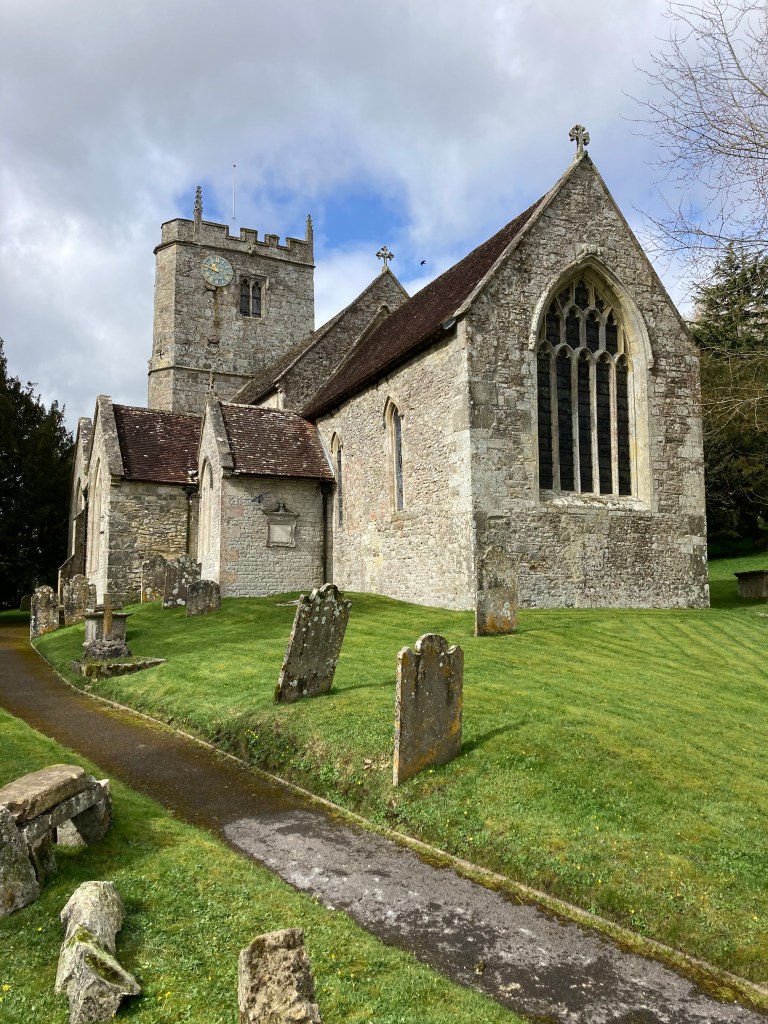
The church of St Mary the Virgin is a real gem. It is Grade 1 listed, which surprised me at first because it’s a small village church, and quite understated. On entering, you sense the Victorian additions, but on exploring, become aware of a much more historic space. It has Saxon origins and has been there for over a thousand years, but dates largely from the thirteenth century. It has one window, visible on the outer north wall, which predates the Normans.
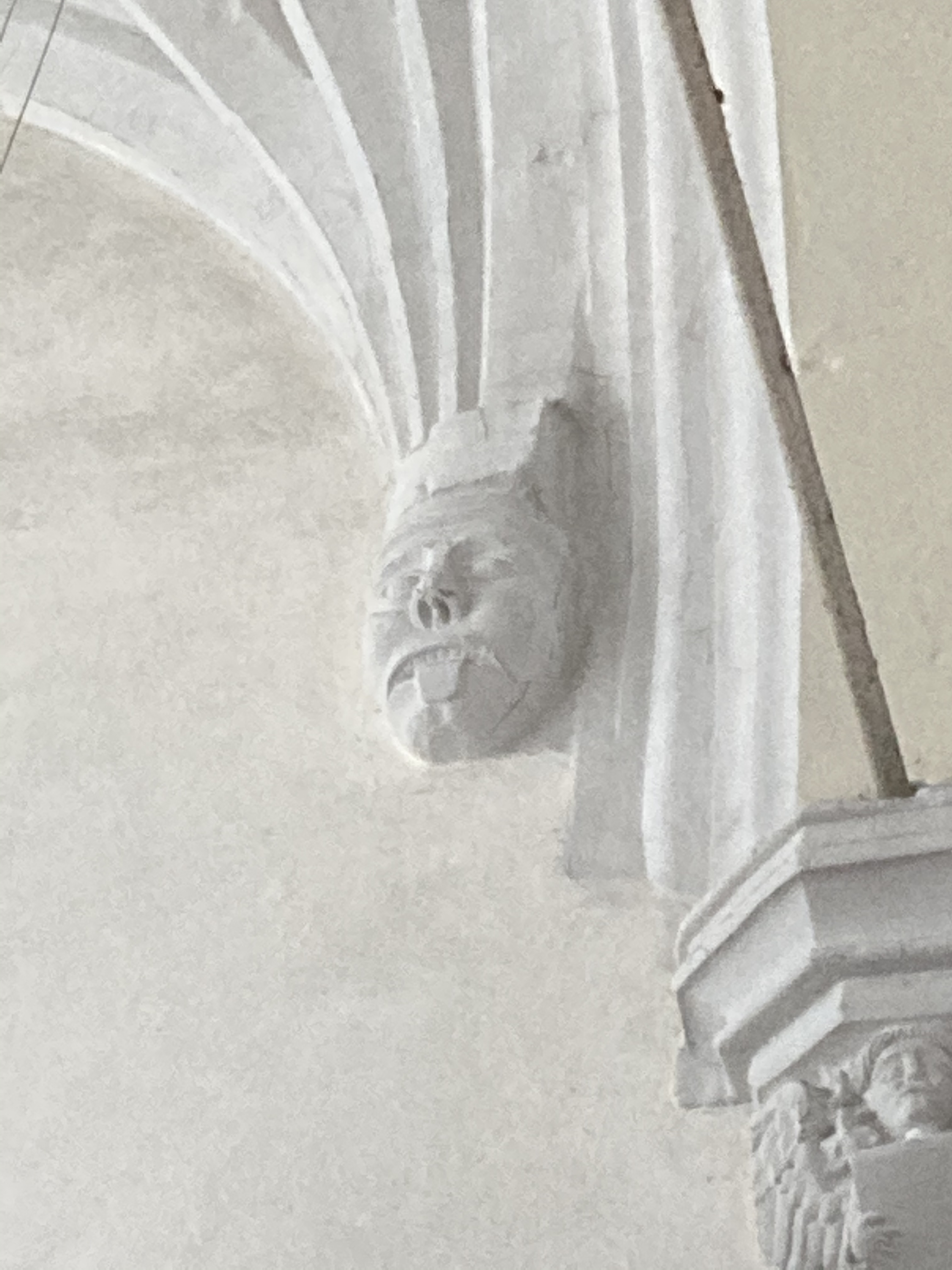
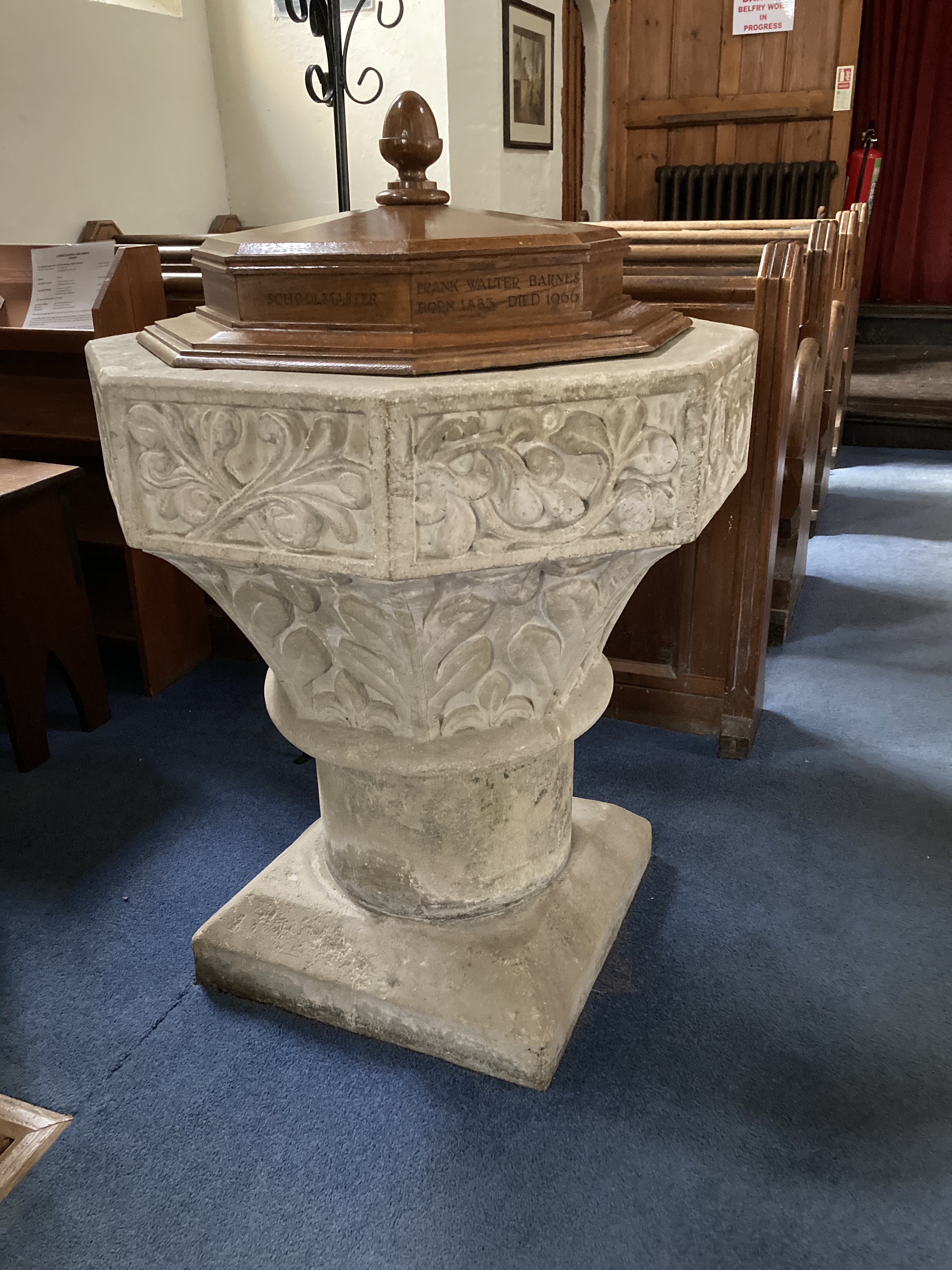
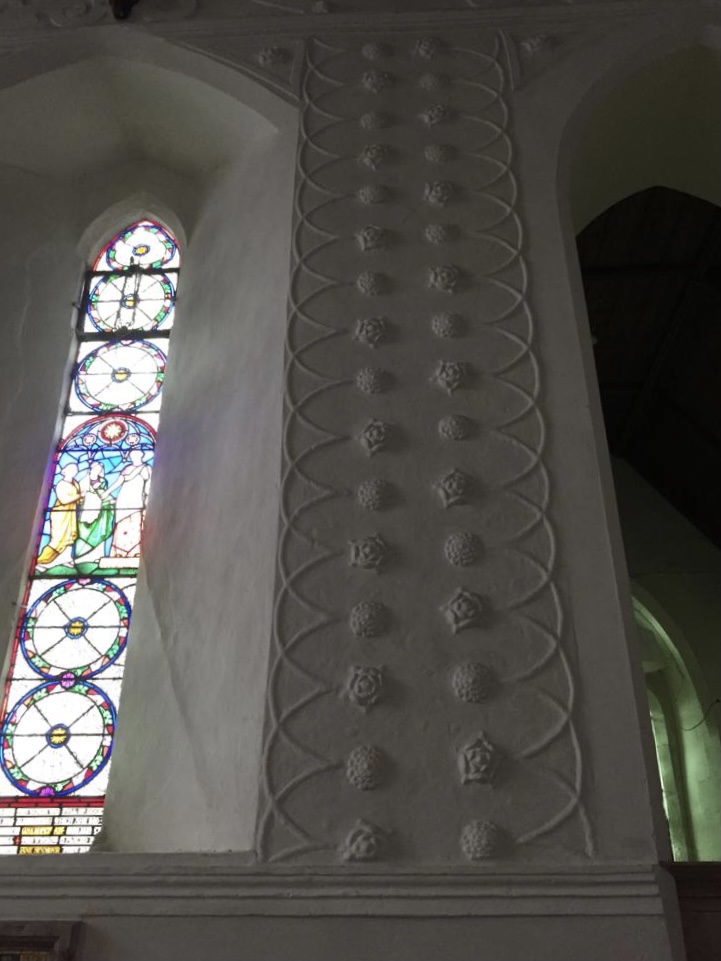
The twelfth century chancel is the oldest part with two thirteenth century lancets on the north and south walls and a neo-norman chancel arch with zigzag plaster moulding round the arch. From the porch, if you visit, make sure you turn round to admire the moulded Tudor-arched door into the nave which dates from the thirteenth century. The nave has a font (dating from the seventeenth or thirteenth century, depending on what you read!) with nice foliage carving, and stone carved heads on the wall, one sticking his tongue out!
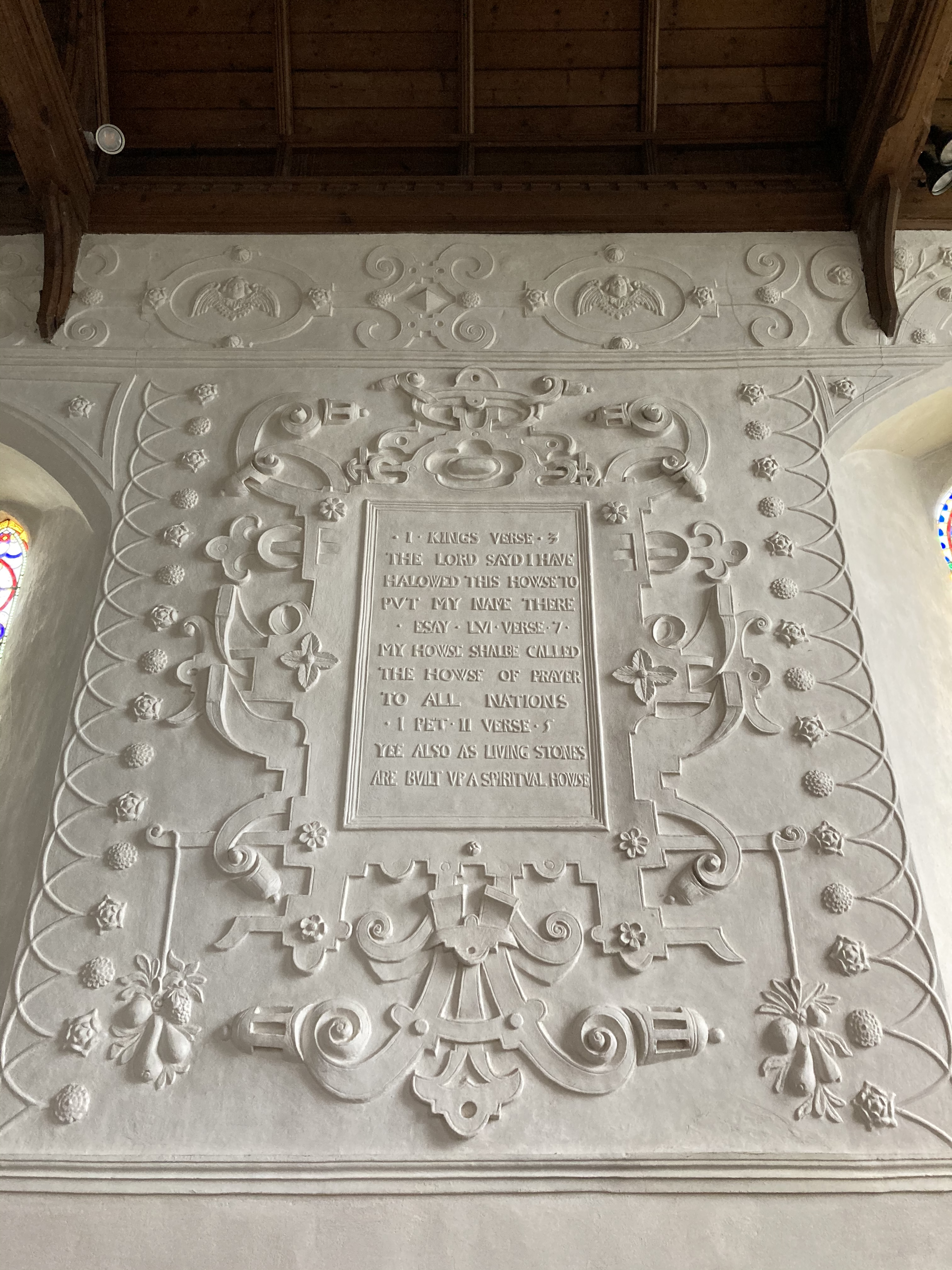
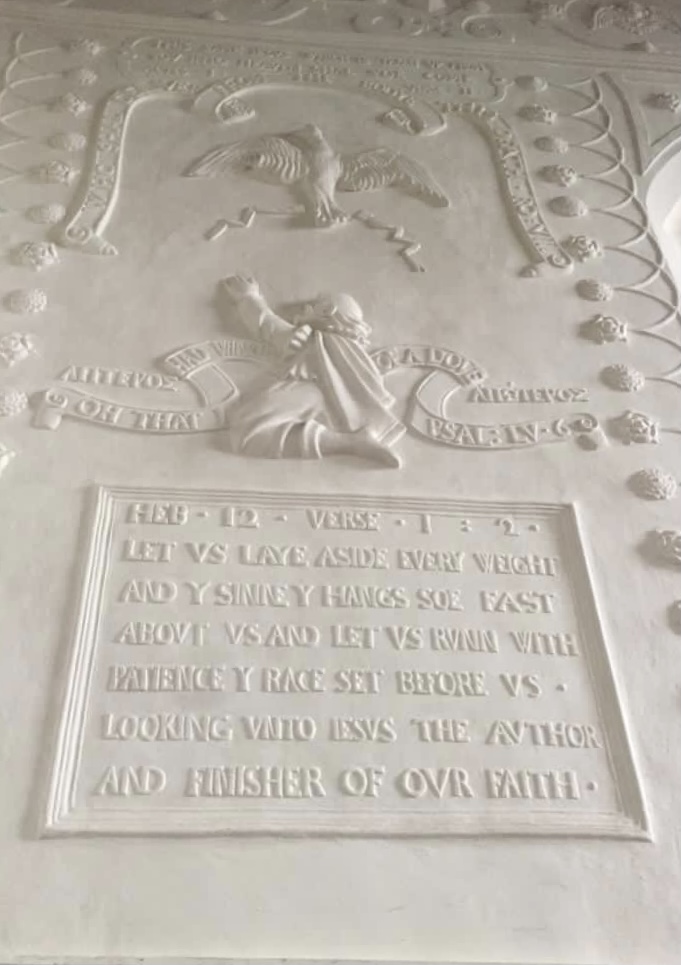
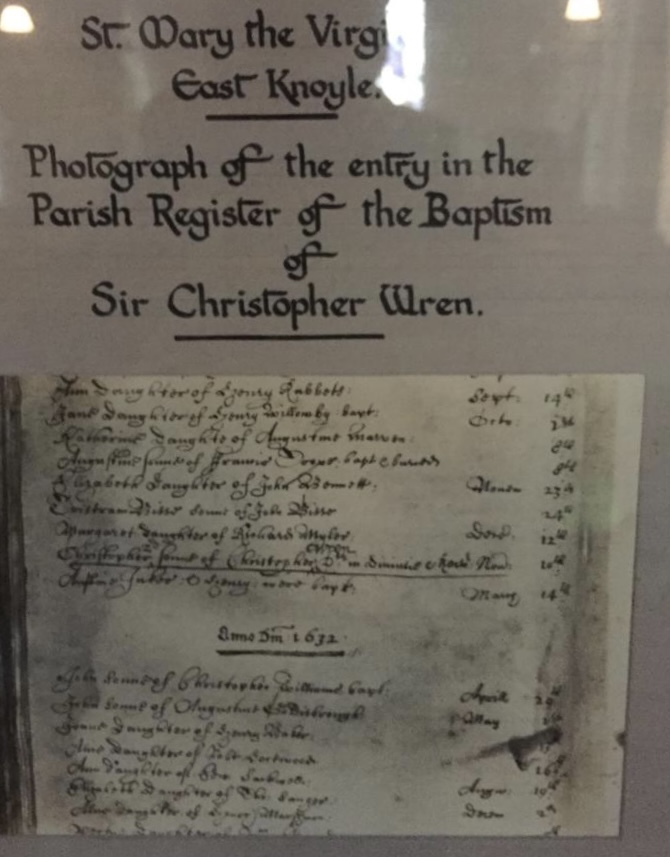
Christopher Wren’s father, Dr Wren (also Christopher) was rector of the church in the seventeenth century when he commissioned some striking plasterwork in the chancel, although the inappropriateness of some of this was held against him in a court trial, after which he was fined and sacked. During the Civil War, Parliamentarian soldiers entered the church and knocked the heads off some of his plasterwork figures.
Among the plasterwork friezes can be seen the figure of Wren kneeling under the wings of a dove, Jacob’s Dream showing figures ascending a ladder to Heaven and the Ascension of Christ shows just His legs beneath a cloud. Sadly some cherubs have fallen off. Looking up at the bas-relief makes you miss the lovely Minton tiled floor. The amazing plasterwork is the reason for the Grade 1 listing.
Restoration was carried out in the nineteenth century. The seventeenth century pulpit was reset into a nineteenth century stone base; in 1876, a small organ chamber was created. The south-east window memorial to the Seymour family showing their coat of arms was made by the eminent Victorian stained glass maker, Thomas Willement. The tiles and lapis lazuli reredos are by Sir Arthur Blomfield. The twentieth century east window, in five panels to the memory of George Wyndham of Clouds House, is by the architect and artist Sir Ninian Comper who designed many very prestigious churches and abbeys. There are memorial plaques throughout the internal walls, and a lovely new Millennium window.
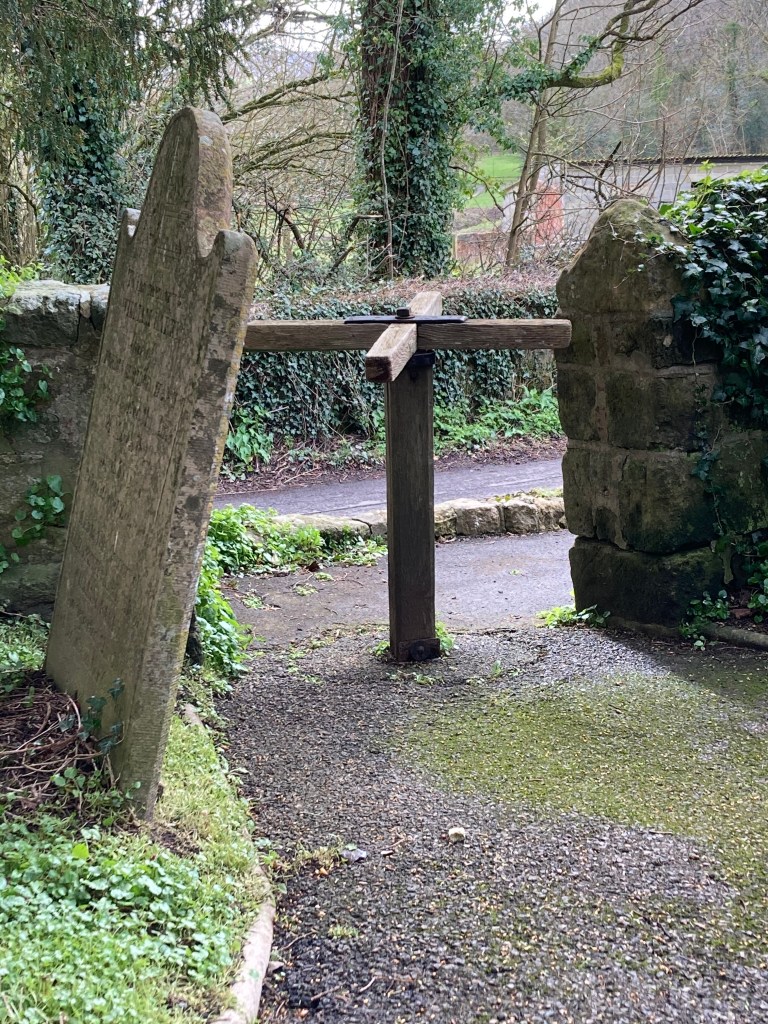
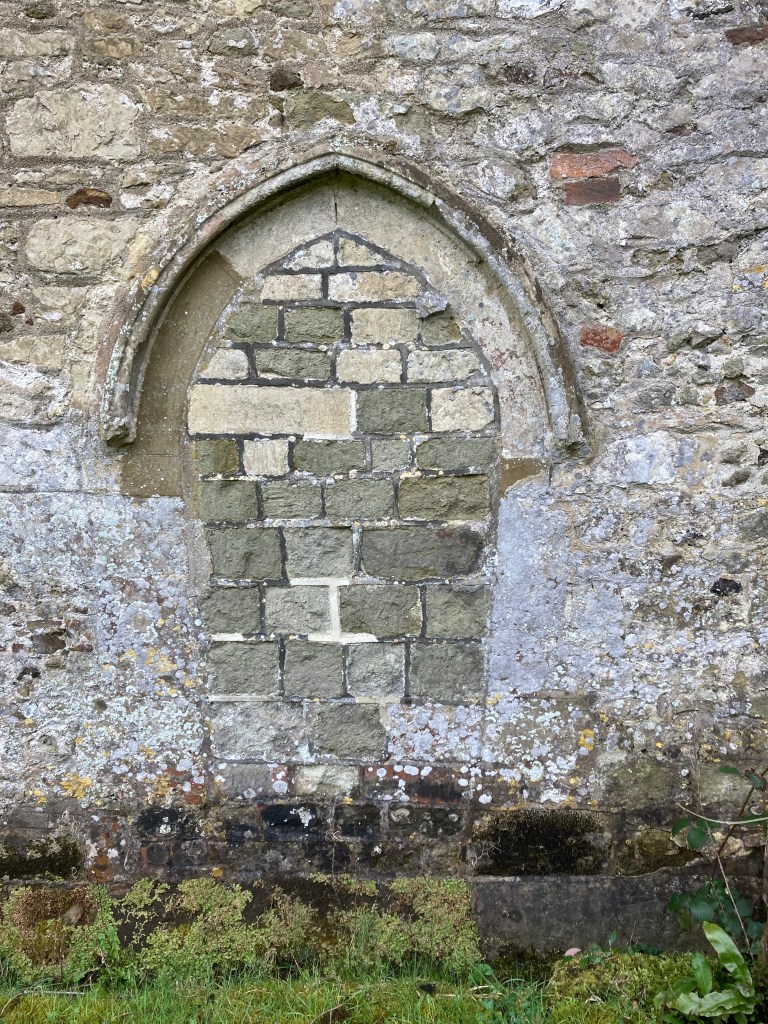
Outside there is a well-kept graveyard, sitting tranquilly on the side of a hill. There is a Saxon cross shaft outside the tower, from the seventh to ninth centuries. You enter the churchyard from the road through a delightful wooden turnstile gate unlike any I’ve seen before. The tower is Perpendicular, from 1450, its six bells rung by an active group of bell-ringers, and the clock chimes every quarter hour.
The church of St Mary now forms part of a group of six village parishes in the Benefice of St Bartholomew but it struggles financially to meet its running costs. According to Pevsner, everyone ought to visit St Mary’s. For more in-depth details, you can look at historicengland.org.uk. At the moment, the church is open twice a week on Wednesday mornings and Saturday afternoons, so if you come to see us at those times, I do recommend that you call in.
 Chris and Bev - Heads in the Clouds